The question I hear the most from clients these days isn’t about design or page speed anymore. It’s this one: “Can we show up in ChatGPT?”
Fair question. Half of B2B software buyers now start their research in an AI chatbot more often than in Google, according to G2’s 2026 buyer survey. On the consumer side, 45% of people now use AI to find local businesses. A year ago it was 6% (BrightLocal).
So I went through the research. Big studies, millions of AI answers analyzed. Some of it confirmed what I expected. Some of it surprised me. And some of what’s being sold to businesses right now as “AI visibility” just isn’t backed by the data.
This is the first post of a short series. Here, the big picture. The next ones go deeper on B2B, local businesses, e-commerce and the technical side.
Good news: it’s still SEO. Mostly.
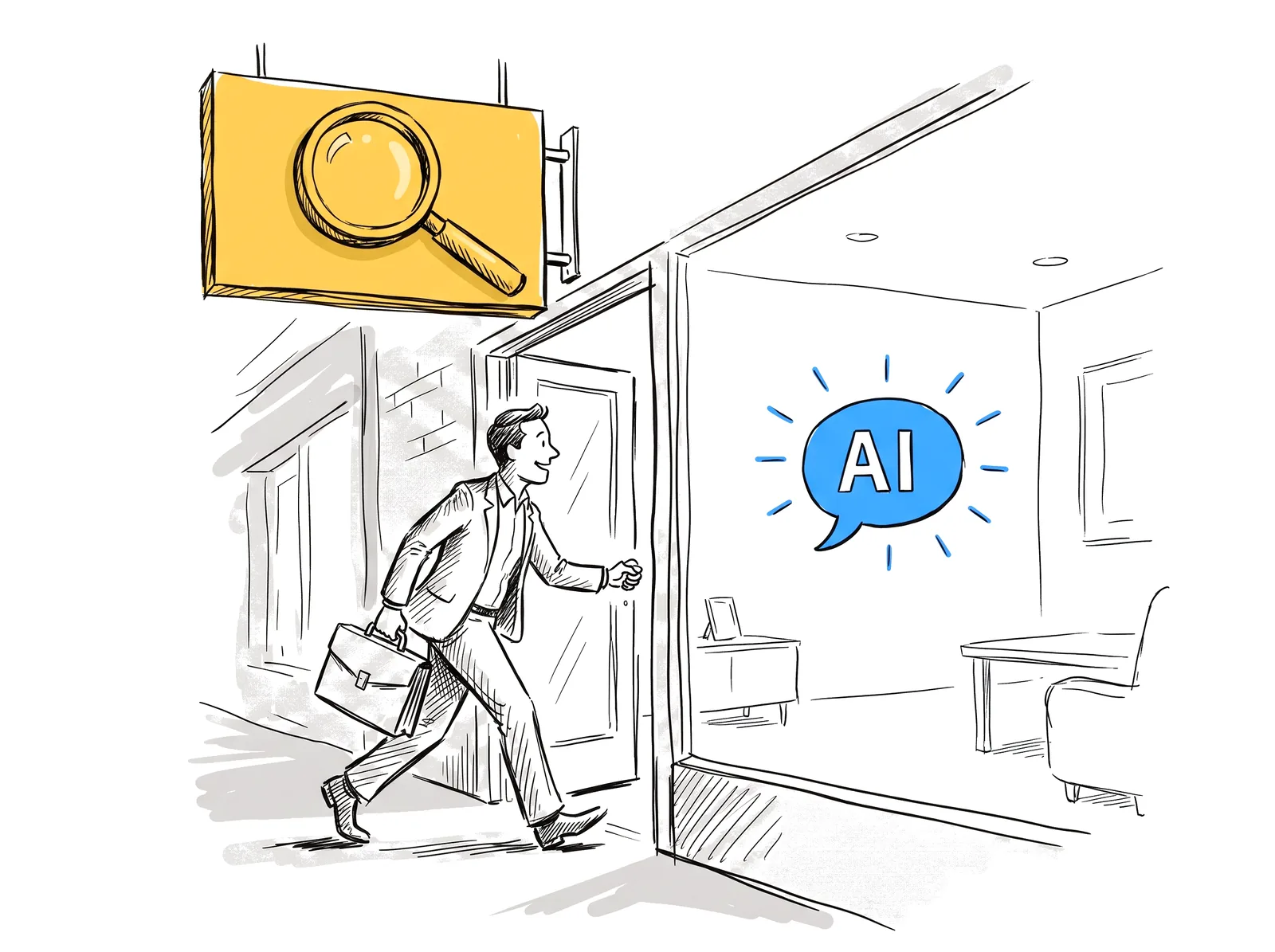
If you’ve done your SEO properly, you’re not starting from zero. When Ahrefs looked at 1.9 million citations in Google’s AI Overviews, about 76% of the cited pages were already ranking in Google’s top 10 (source).
But the scoreboard changed. In classic SEO, authority came mostly from backlinks. In AI, authority comes from what other people say about you. And content gets old a lot faster.
The way I explain it to clients: SEO gets you in the room. Your reputation decides if the AI actually says your name.
What AI actually pays attention to
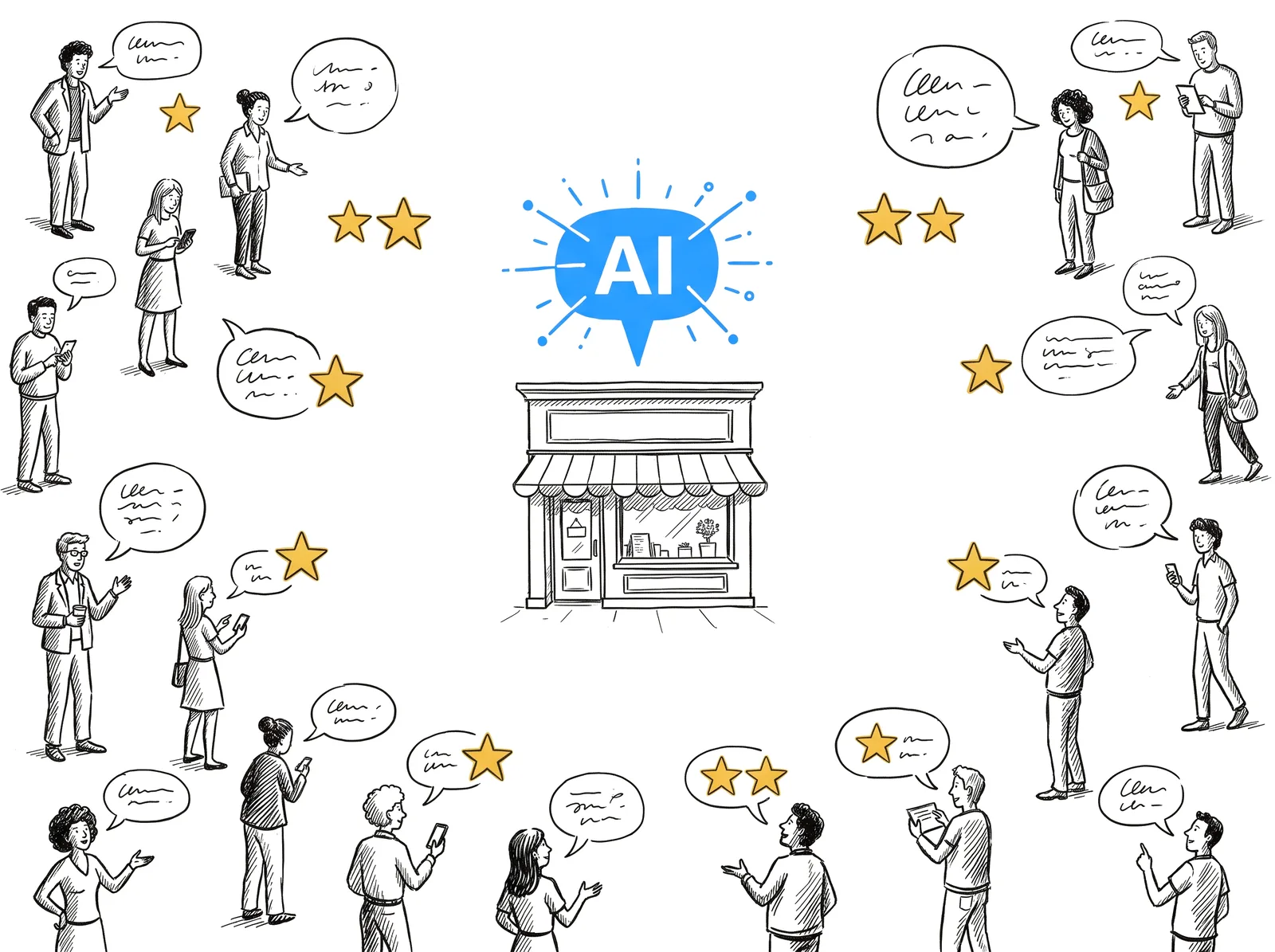
People talking about you. Ahrefs looked at 75,000 brands to see what lines up with showing up in Google’s AI answers. The strongest signal wasn’t backlinks. It was brand mentions across the web, at 0.664. Backlinks came in at 0.218 (Ahrefs, summary). The mentions don’t even need a link.
Reviews. Peec analyzed 30 million sources cited by AI. Yelp, Trustpilot, G2 and Clutch are all in the top 100. ChatGPT even adds the word “reviews” to its own searches when the user never asked for them (Peec).
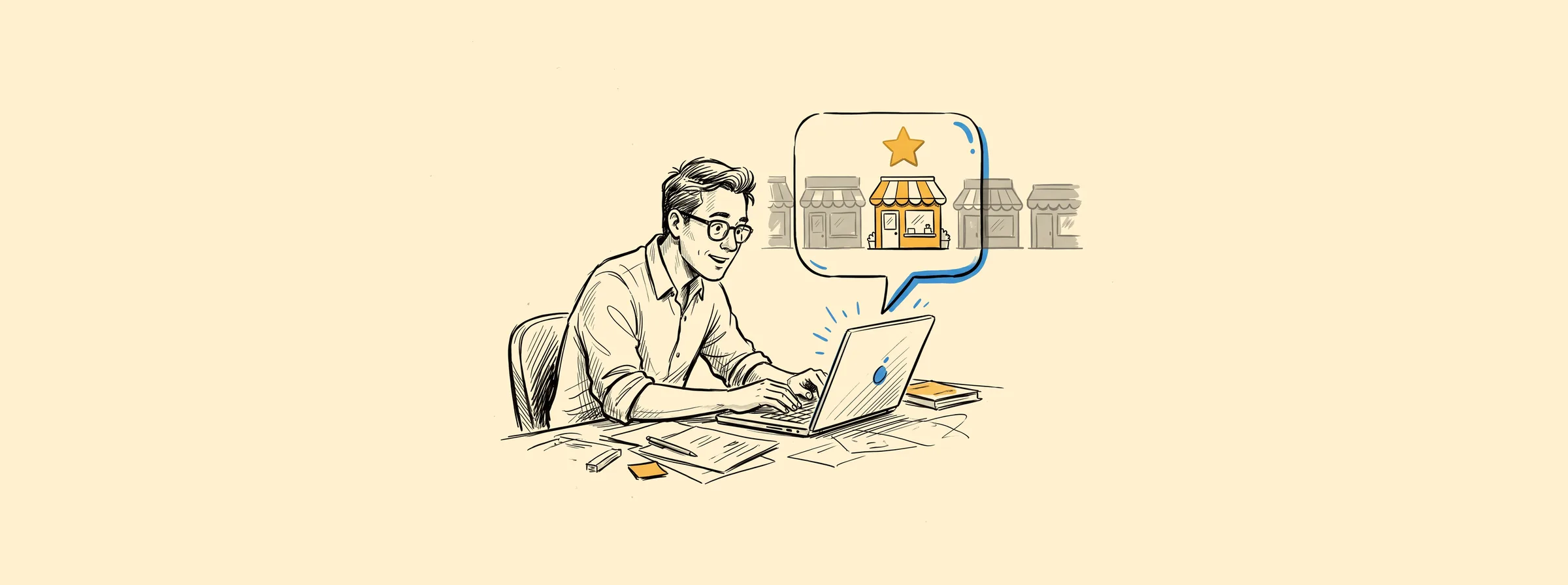
For local businesses, the gap is huge. Insites studied 10,000 US businesses. The ones AI recommended averaged 133 Google reviews. The ones it ignored averaged 11 (Insites).
Fresh content. About half of AI citations go to content published or updated in the last 13 weeks. And no, changing the date at the top of the page doesn’t count. AI systems can tell when nothing real changed (source).
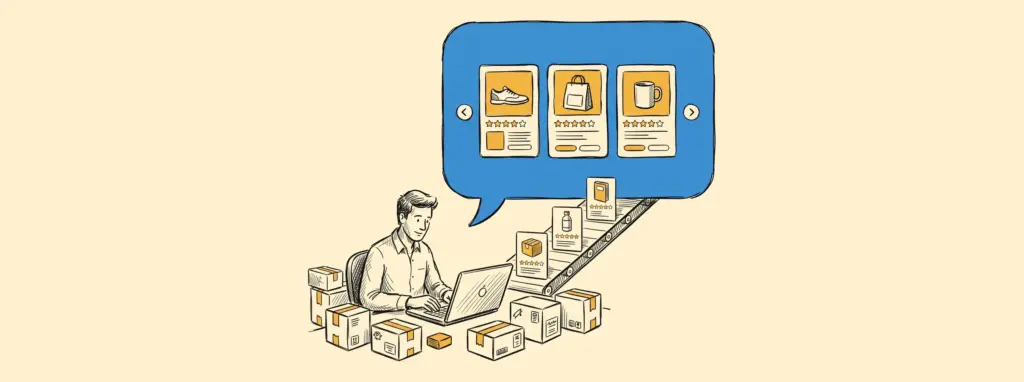
Specifics. Real numbers, your own data, clear answers to specific questions. That’s what gets cited (Stacker). “We’re a passionate team delivering innovative solutions” gets you nothing.
What’s overhyped right now
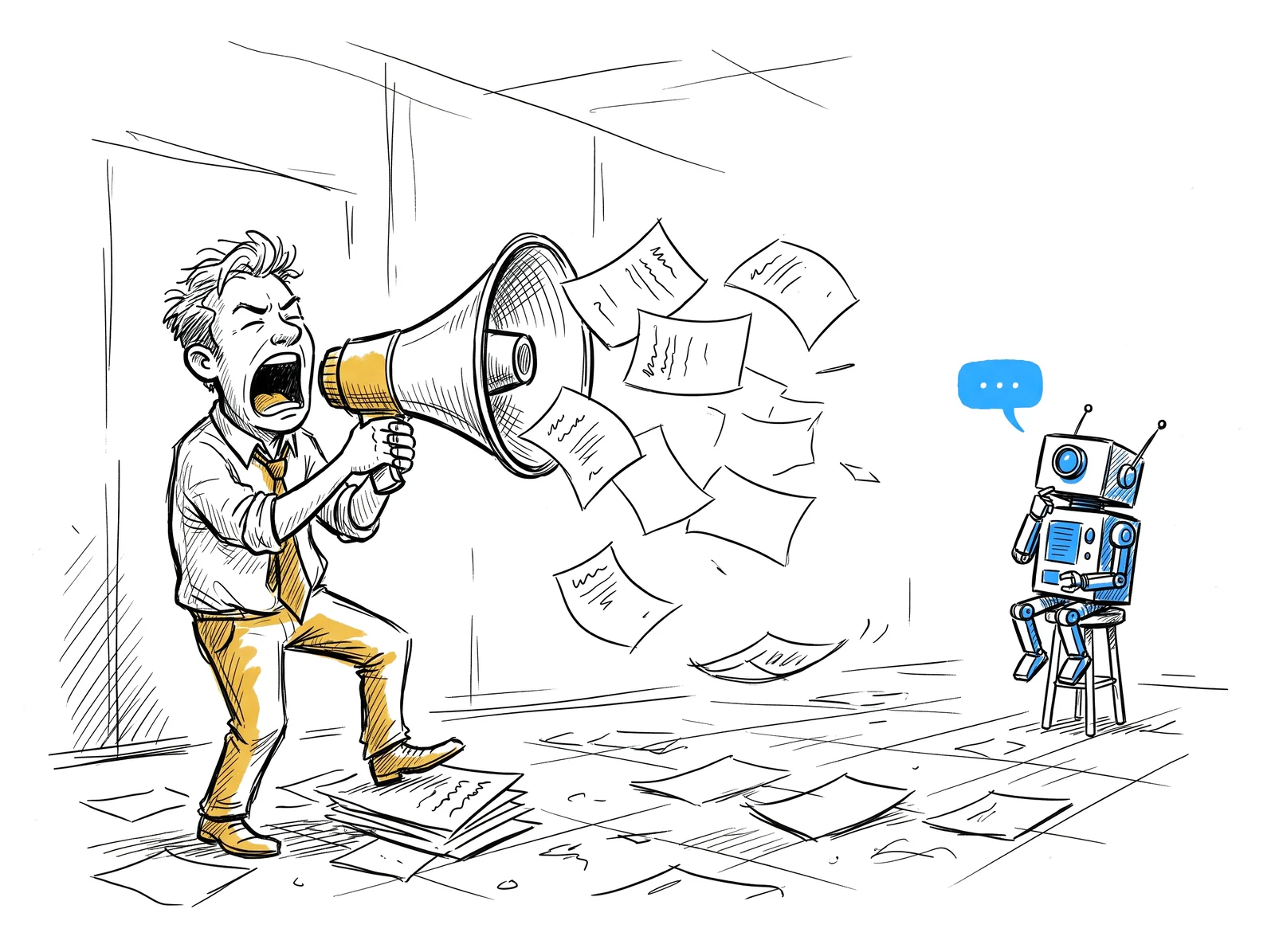
Press releases. A lot of newswire services now sell “AI visibility.” The data doesn’t agree. BuzzStream analyzed 4 million AI citations: newswire sites made up 0.21% of them (Search Engine Journal). Another study followed 250 wire releases. 81% got zero AI citations, and award or partnership announcements went 0 for 50 (Everything-PR).
One exception: releases built around a real, useful number earned 3.5x more AI citations than the others in one agency’s quarter-long test (AI Magazine). So if you have data, a release can work. “We won an award” won’t.
YouTube, if ChatGPT is your target. YouTube is great for Google’s AI Overviews and Perplexity. ChatGPT, not so much. One study found exactly one YouTube citation across 7,651 ChatGPT answers (Analyze).
Instagram and Facebook. Social media isn’t one thing. LinkedIn went from 11th to 5th in ChatGPT citations in three months (report), and Reddit stays strong. Facebook and Instagram dropped sharply in Meltwater’s August data (Meltwater). On LinkedIn, ChatGPT cites individual people far more than company pages (PPC Land). Your profile matters more than your company page.
The technical trap nobody talks about
This is the part that bugs me as a developer.
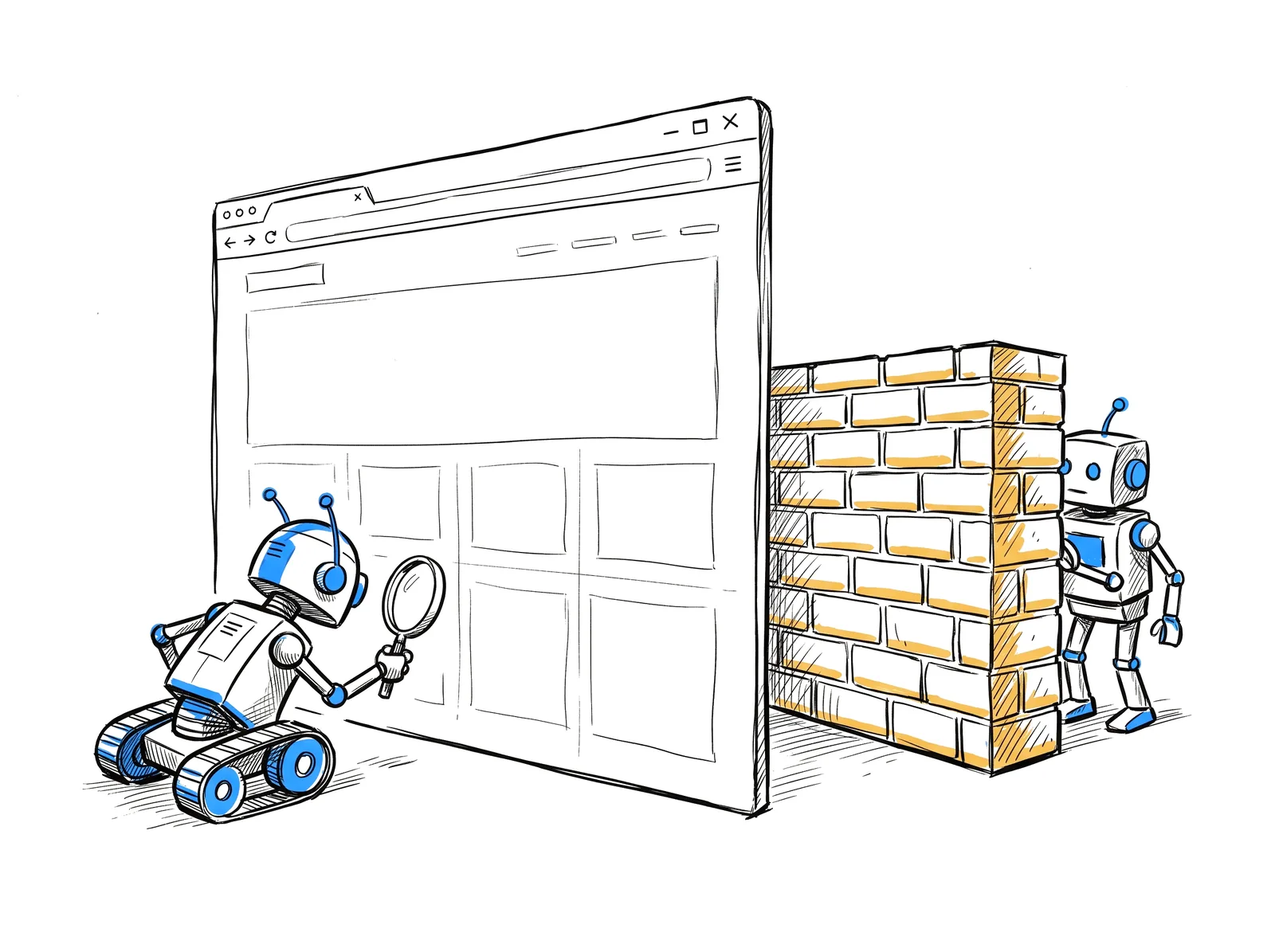
Most AI crawlers don’t run JavaScript. OpenAI’s crawlers, Anthropic’s, Perplexity’s: they read the raw HTML and move on. Google’s Gemini is the exception, because it uses Googlebot (Vercel).
So if your site loads its content with JavaScript in the browser, which a lot of modern React and Vue sites do, ChatGPT may see an almost empty page. Google still indexes it fine. So nobody notices.
Second problem: your firewall. Cloudflare and other security tools can block AI crawlers even when your robots.txt says they’re welcome. And OpenAI is clear that if you block its search crawler, you won’t show up in ChatGPT search answers (source).
Neither problem shows up in Google Search Console. You have to test for it.
Where I’d start this month
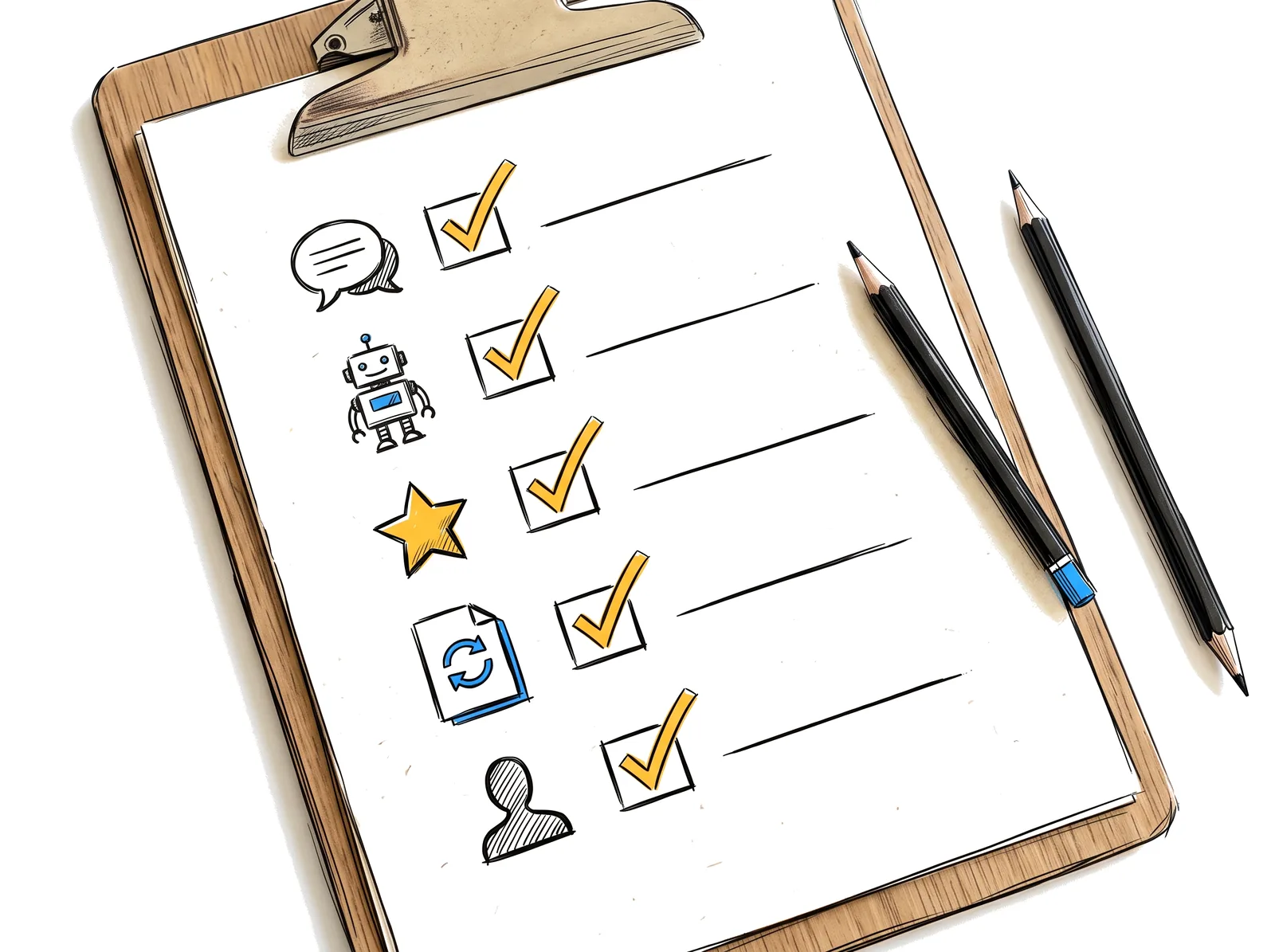
- Ask the AI yourself. Write 20 questions your customers would actually type. “Best [what you do] in [your city].” “[You] vs [your competitor].” Run them in ChatGPT, Perplexity and Google. Write down who gets named and which sites get cited. That’s your to-do list.
- Make sure AI can read your site. Check your robots.txt, your firewall settings, and whether your important content is in the HTML. If you’re not sure how, ask your developer. Or ask us.
- Get reviews where it counts. Google for local businesses. G2 or Capterra for software. Clutch for agencies and services. Ask your happiest clients this week.
- Update your five most important pages. Real new information, not just a new date.
- Pick one social platform and do it properly. For most B2B companies, that’s LinkedIn, from a real person’s profile.
Coming next in the series
- B2B: your clients build their shortlist in ChatGPT now. How to get on it.
- Local businesses: 11 reviews vs 133, and why that gap decides who AI recommends.
- E-commerce: ChatGPT Shopping runs on product feeds. What to fix first.
- The technical deep dive: is your website invisible to AI?
One honest note before you go. A lot of the research on AI visibility comes from companies that sell AI visibility tools. Most findings are correlations, not proof. I leaned on the biggest datasets and the most independent surveys I could find, and I’d treat the exact percentages as directional. But the direction is the same everywhere I looked.
Want to know where your business stands in AI search today? Get in touch, and we’ll run the check with you.