

Part 2 of our series on AI search. Part 1 covered the big picture.
In B2B, the shortlist used to happen on Google. Someone searched, opened five tabs, read a few comparison posts, and called two or three vendors.
That’s changing fast. G2 surveyed 1,076 B2B software buyers in March 2026. 51% now start their research in an AI chatbot more often than in Google. Eleven months earlier, it was 29% (G2 via Martal).
And the AI’s answer matters. In the same survey, 69% of buyers ended up choosing a different vendor than they planned because of what the chatbot told them. One in three bought from a vendor they had never heard of before (Abmatic).
Read that last part again. A third of buyers picked someone they didn’t know existed. That’s a big opportunity if you’re small. And a big risk if you’re established and invisible.
It’s not just software either. Forrester surveyed nearly 18,000 business buyers across industries: 94% used generative AI somewhere in their last purchase (Martal).
Where the AI gets its shortlist
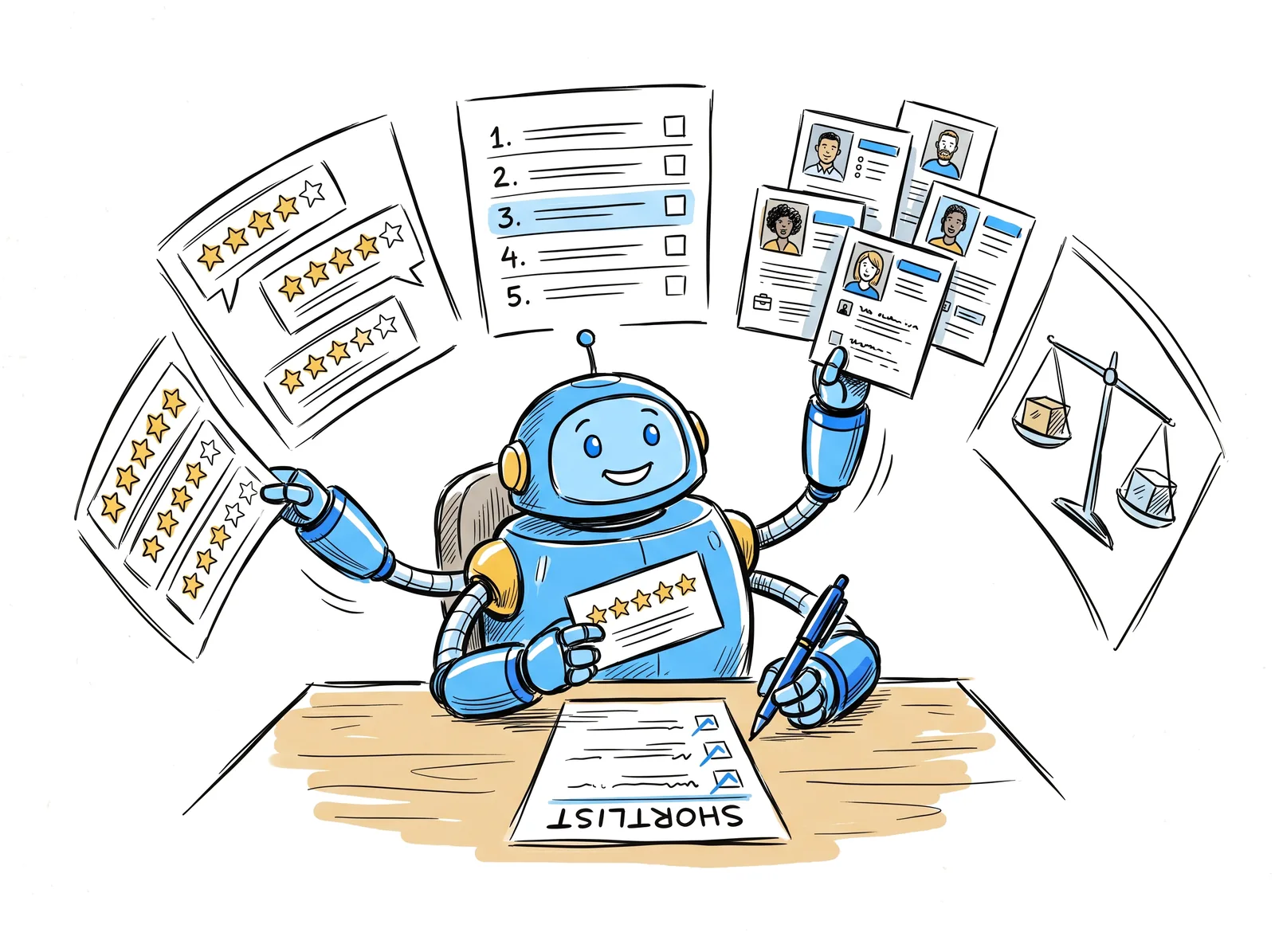
When a buyer asks ChatGPT “who are the best [your category] companies for [their situation],” the answer doesn’t come from your homepage. It comes mostly from what others say about you.
Review platforms. For agencies and service firms, AI engines lean on directories like Clutch, G2 and DesignRush more than on the companies’ own sites. A strong Clutch profile can get you recommended even if your website never shows up in the answer (Passionfruit).
“Best of” lists. Half of ChatGPT’s citations are listicles, and most of those are ranked lists (Evertune). If you’re not on the lists people write about your industry, you’re not in the pool.
People on LinkedIn. LinkedIn is now the second most cited social platform in AI answers, right after Reddit. On ChatGPT and Google AI Mode, 59% of those LinkedIn citations point to individual people, not company pages. And the cited posts don’t need to go viral: modest engagement is enough (PPC Land).
Comparison content. The number one thing B2B buyers use AI for is comparing vendors’ strengths and weaknesses, at 41% (Martal). If nobody has written a clear comparison that includes you, the AI fills the gap with someone else.
The B2B plan
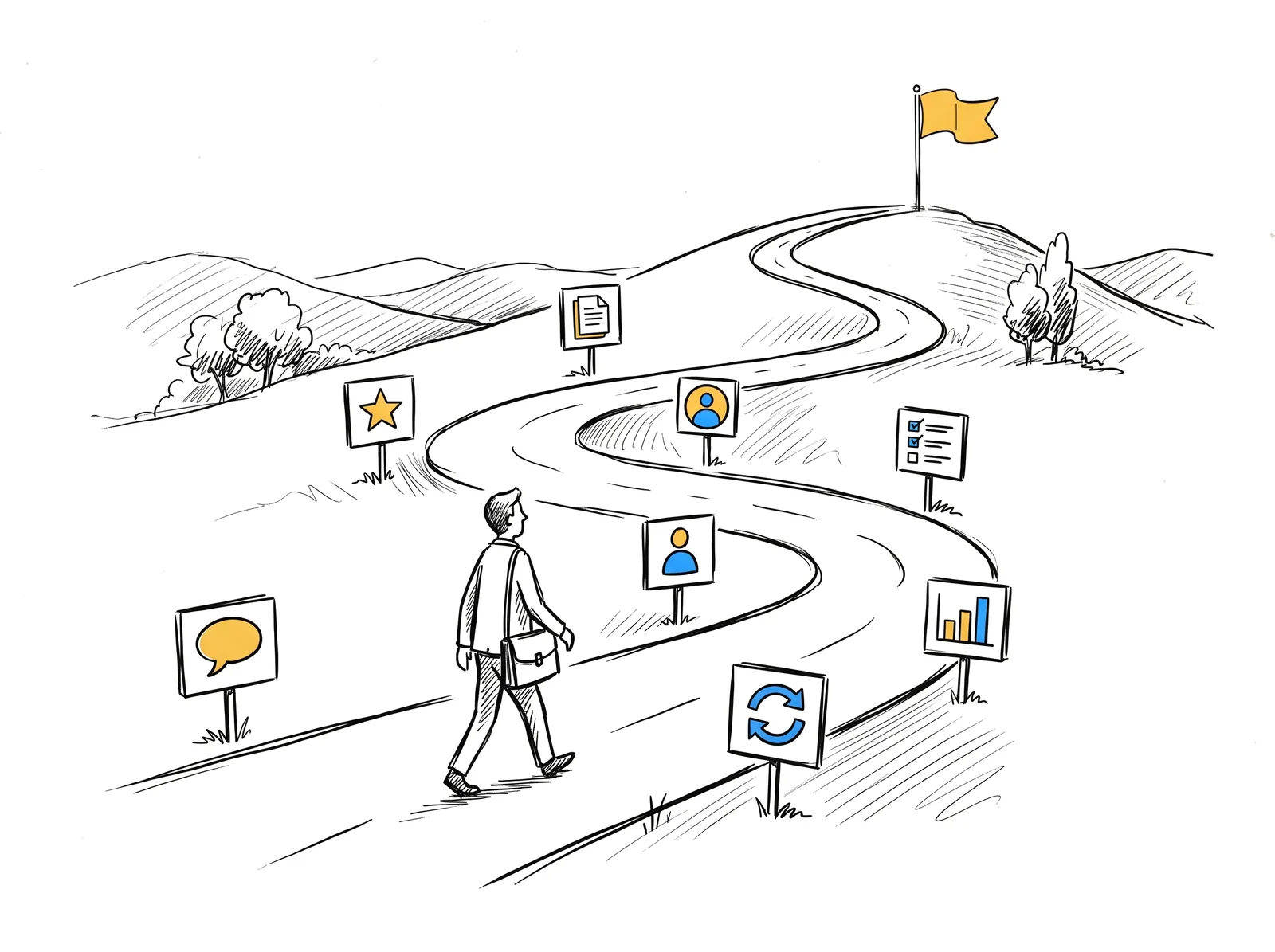
Here’s what I’d do, in this order.
- Week 1: ask the AI what it thinks of you. Write 20 to 30 questions your buyers would actually type. “Best [your service] for [their industry].” “[Your company] vs [competitor].” “Is [your company] good for [use case]?” Run them in ChatGPT, Perplexity and Google AI Mode. Note who gets named and which sources get cited. Those sources are your target list.
- Month 1: get reviews on one or two platforms that matter. G2 or Capterra for software. Clutch for agencies and services. Don’t spread yourself across ten directories. Ask your ten best clients for a detailed review, with the project, the problem and the result.
- Months 1 to 2: build pages that answer shortlist questions. An honest “us vs them” page. A “best for” page that says who you’re a good fit for, and who you’re not. Case studies with real numbers. A pricing range, even a rough one. Buyers ask AI about price, and “contact us” gives it nothing to work with.
- Ongoing: put real people on LinkedIn. Founders and senior experts, posting two or three original posts a week. Short is fine. Answer the questions your buyers ask you on sales calls. That’s your content calendar.
- Months 2 to 3: get on the lists. Look at the “best of” articles your audit surfaced. Pitch to be included. Join the partner directories of the platforms you work with. Say yes to podcasts and trade publications.
- Every quarter: publish one piece of original data. A benchmark, a survey, anonymized numbers from your own projects. Then refresh your most important pages with it. That data is also the only kind of press release worth sending.
- Every month: re-run your questions. Track how often you’re named against two or three competitors. That’s your new ranking report.
The bottom line
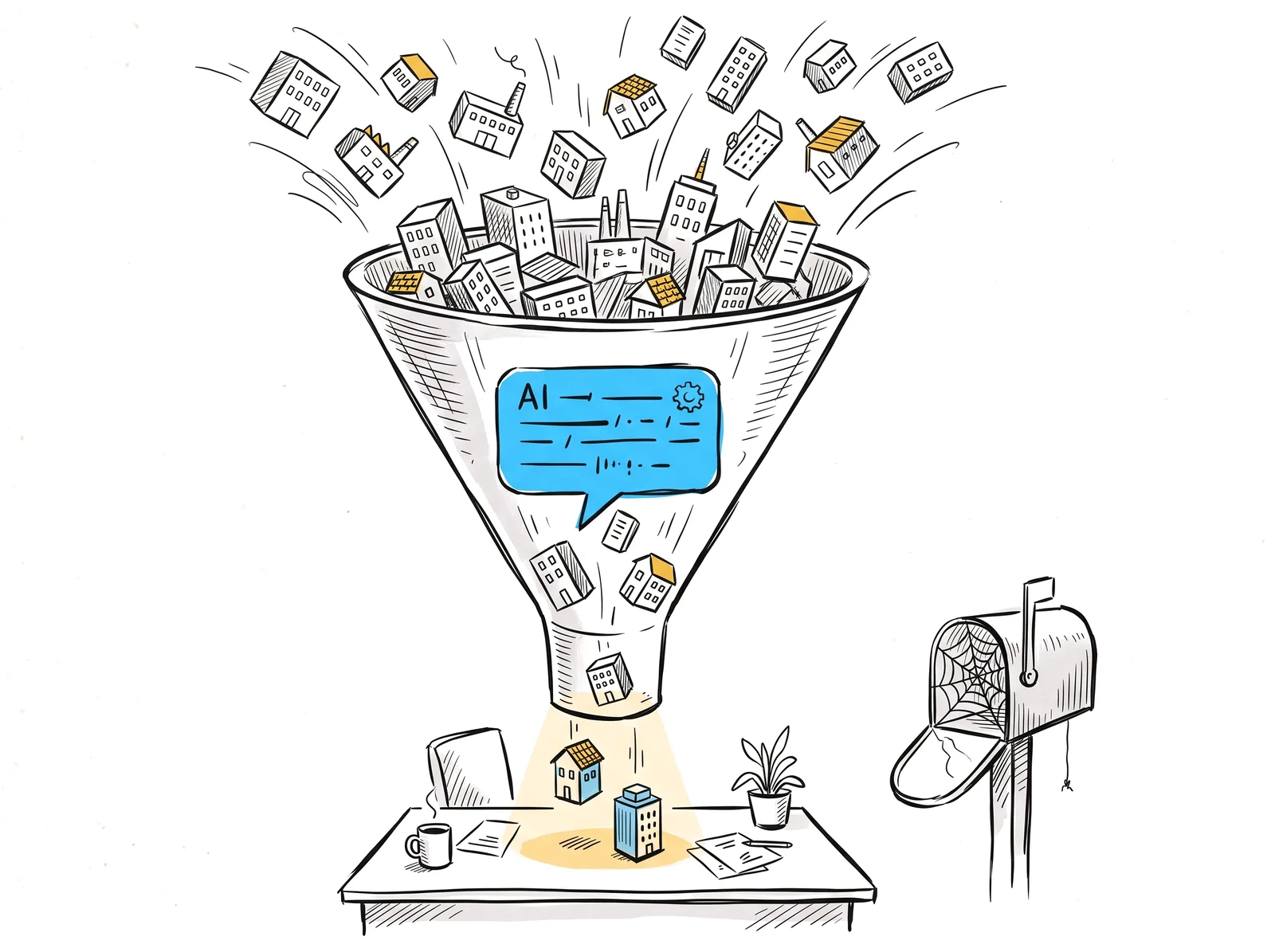
In B2B, the shortlist now forms before anyone fills out your contact form. You won’t see it happen. You’ll just get fewer calls, or calls from people who already compared you to two competitors.
The good news: none of this needs a big budget. Reviews, honest comparison pages, a founder who posts on LinkedIn. Most of your competitors aren’t doing it yet.
Next in the series: local businesses, and why 11 reviews vs 133 makes all the difference.
Want to see what ChatGPT says about your company today? Get in touch and we’ll run the check with you.