

Part 4 of our series on AI search. Part 3 covered local businesses.
If you sell online, this one matters more than the others.
ChatGPT now handles around 50 million shopping queries a day, according to OpenAI’s February 2026 numbers (Paz). And when someone asks it a product question, a shopping experience shows up in 87% of answers. Last October it was 20% (Evertune).
In July 2026, the way ChatGPT picks those products changed. A lot of stores lost visibility overnight, and most of them probably still don’t know why.
What happened in July

ChatGPT gets product recommendations from two places. It can search the web and read your product pages. Or it can pull from product feeds that merchants send in directly.
Until July, the web side dominated. Then on July 10, 2026, it flipped. Profound tracked 1.75 million ChatGPT shopping prompts: feed-based picks jumped from about 8% to about 62% overnight. By early September, roughly 65% of recommendations came from feeds (Relevant Audience).
The impact was immediate. In a sample of 687 brands, 450 lost at least a third of their ChatGPT shopping visibility in a few days (Relevant Audience).
In plain words: if your products aren’t in a feed ChatGPT uses, you’re out of the running for most product recommendations.
And Google Shopping still matters
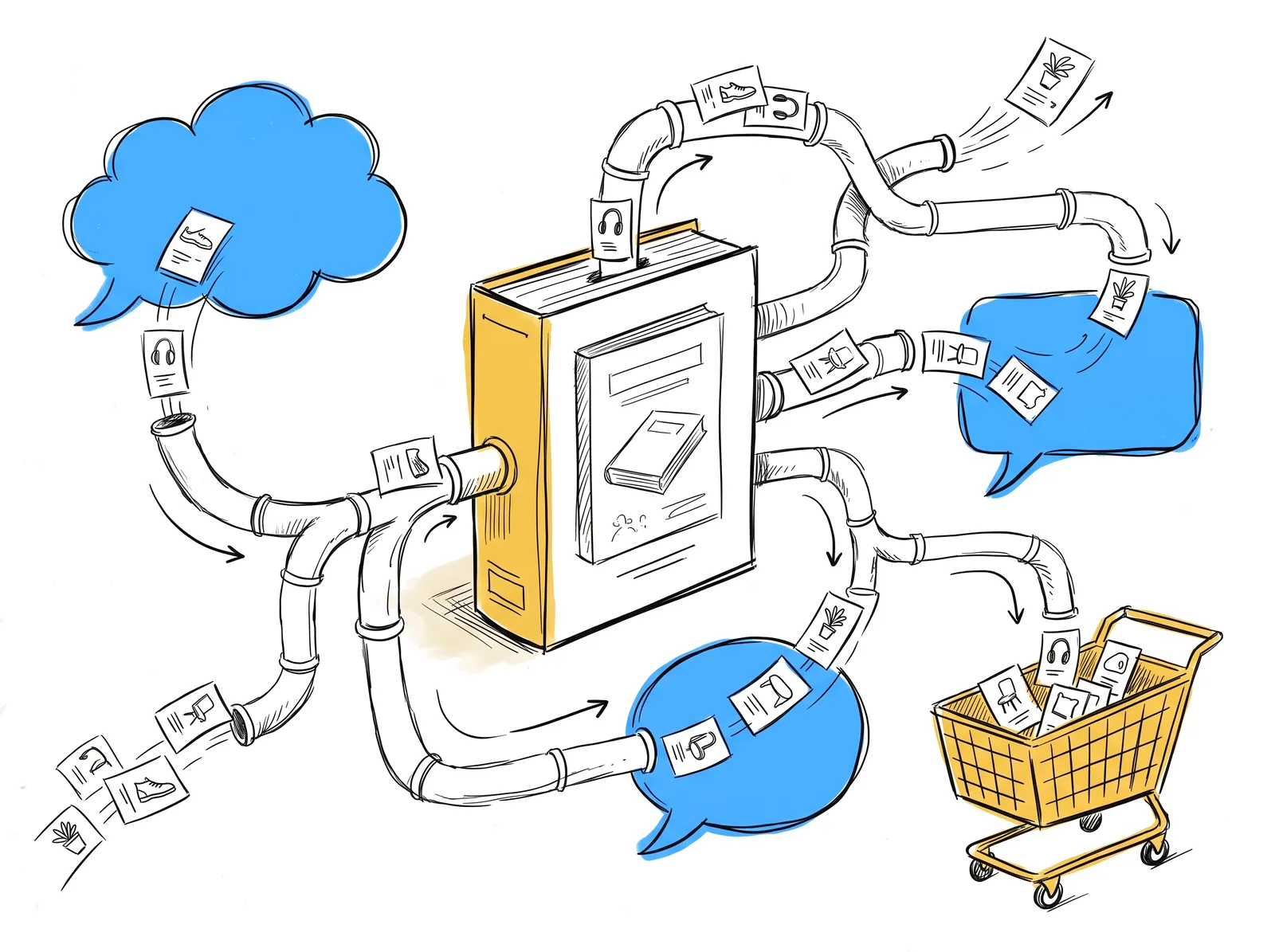
Before the July change, Peec AI looked at ChatGPT’s product carousels and found 83% matched Google Shopping’s organic results (Paz). Google’s own AI Mode and Gemini run on the same Google Merchant Center data.
So your product data now feeds several AI shopping engines at once. A messy Merchant Center feed isn’t just a Google problem anymore. It’s an AI problem everywhere.
The e-commerce plan
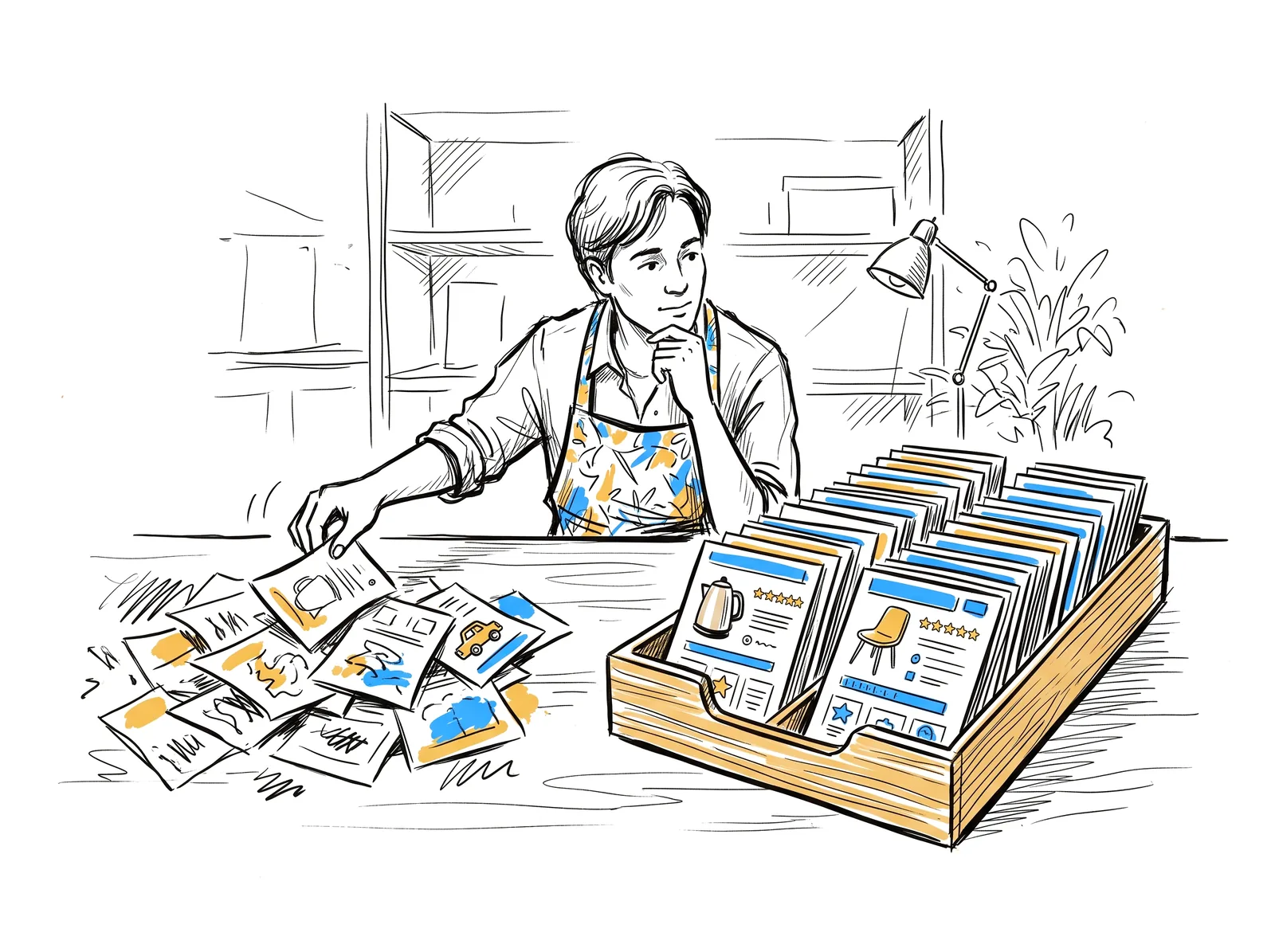
- Week 1: check where you stand. Ask ChatGPT what someone would ask before buying what you sell. “Best [product] under $100.” “[Your product] vs [competitor’s].” Do your products show up in the cards? Do your competitors’?
- Week 1: clean your Google Merchant Center feed. Zero errors, zero disapproved products. Then fill every attribute you can: brand, GTIN, size, colour, material, shipping, returns. Stores with complete product data see 3 to 4 times more AI visibility than stores with sparse data (Krish TechnoLabs).
- Week 2: make sure you’re in ChatGPT’s merchant feed. On Shopify, US stores were enrolled automatically (Paz), but check that your data actually flows through. On WooCommerce or a custom store, you’ll need a feed set up. Ask your developer.
- Month 1: put reviews in the data. ChatGPT’s feed format accepts review count and average rating as fields (Passionfruit). Send them. Add product schema with ratings on every product page too.
- Month 1: write product titles and descriptions for questions, not keywords. “Waterproof hiking boot, wide fit, for winter” answers a real question. “Boot Model X-200” doesn’t.
- Ongoing: get reviewed outside your own site. Third-party reviews on sites ChatGPT reads, like Trustpilot and Reddit, help it trust your products (Top Growth Marketing).
- Ongoing: keep the feed fresh. Price, stock and promotions. A product recommended at the wrong price is a lost sale and an angry customer.
The bottom line
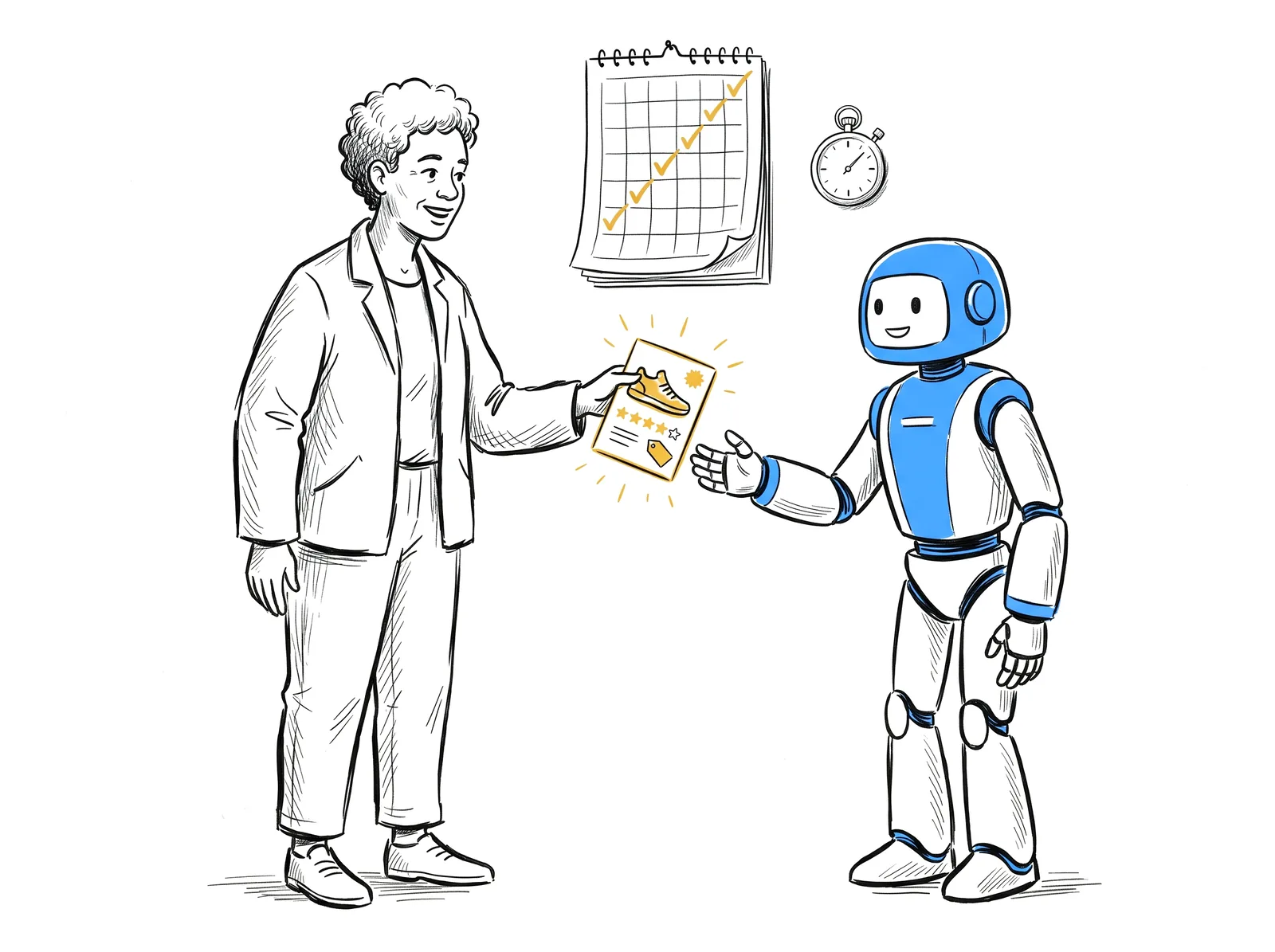
For online stores, AI shopping is less about content and more about data. Clean, complete, up-to-date product data, in the feeds the AI engines actually use.
One honest warning: this part of AI search moves faster than any other. The July change happened overnight, with no announcement most merchants noticed. Expect more of those. Check your visibility every month, not every year.
Next and last in the series: the technical deep dive. Is your website invisible to AI?
Not sure if your feed is ready for ChatGPT? Get in touch and we’ll take a look.